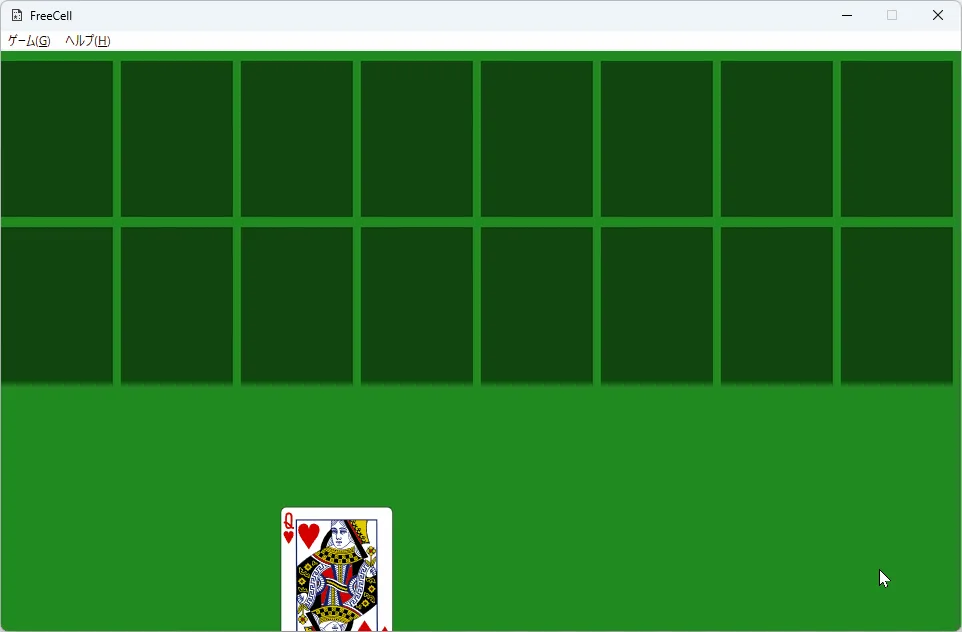
Public MIT source
Safety starts with readable source on ferrellsl/Freecell. MIT licensing lets you inspect and share. That transparency beats opaque portal packs for a cascade client.
Tiny named binaries
Official exes are about 3.5 KB. Unexpected multi-megabyte installers are a red flag. Compare names and sizes to Releases before you run a cascade client file.
No claimed audits
Upstream does not advertise a third-party audit. Decide for your risk model honestly, especially on locked-down school images.
SmartScreen is not proof of malware
Warnings appear on many small tools. Confirm the GitHub URL, then decide. Do not “fix” warnings with third-party helpers.
Package managers absent
Missing winget/brew ids are not a safety claim either way; they are inventory facts. Stay on Releases for this client.
Operational habits
Type URLs, avoid search ads, prove a run, document the folder. Those habits matter as much as cryptography claims for a tiny client.
Related pages
Keep the pillar at freecell home, plus releases, download safe, GitHub, and guides.
Desk notes
Write Freecell_1.0 URL beside the Windows version on the machine ticket. Prefer FreeCell.exe unless you truly need the portable exe. Prove one local freecell run before you image a lab or hand a USB to a clubmate.
Common failures
Partial downloads, renamed portal setups, and non-English keyboard layouts cause most first-run failures. Delete bad files, fetch again from Releases, switch layout, and retest the client window.
What not to invent
Do not invent brew casks, winget ids, or macOS dmgs that were not on the the current release tag tag. Document gaps as not found. Cascade Quill keeps the install map honest for this client.
Why the current release tag door matters
Search results for a cascade client are crowded with portals that rename binaries and add toolbars. The the current release tag tag on the GitHub project keeps filenames stable: the portable exe for most Windows desks and the portable exe when you truly need extra copy. Typing that URL yourself is the highest-leverage safety habit in this guide.
When a teammate pastes a Drive link or a “full installer”, ask for the GitHub Releases address instead. Social forwarding is how adware enters otherwise careful clubs. Cascade Quill documents the install map; upstream Freecell remains MIT-licensed C code you can read.
Classroom and club rhythm
Lab images should pin the exact filename beside the Windows version. After every reimage, prove one short local freecell before calling the machine ready. That check catches vanished portable folders and quarantine events from aggressive USB scanners.
Shared desks can keep browser cascade tabs as a soft fallback when exe launches are blocked by policy. Name Freecell as the desktop path so students do not invent a third mirror during lunch. Write the current release tag URL into the LMS or a paper card taped near the keyboard.
Travel and offline notes
Travel laptops benefit from storing the portable exe on the internal drive, not only on a borrowed stick. Test launch after sleep or docking changes. Offline events should verify file size against the live Releases list the morning of the session, because a long-lived the current release tag tag can still receive new assets.
If antivirus quarantines the tiny exe, restore from GitHub rather than from email. Unexpected growth in file size after a “helper” web installer means you no longer have the same game binary this guide describes.
Honest limits
Freecell does not replace cloud leaderboards, store achievements, or browser cascade cosmetics. It does not ship macOS or Linux assets on the reviewed the current release tag tag. It does not provide a winget or Homebrew id you can invent safely. Those limits belong in the ticket so expectations stay calm.
Parents and teachers sometimes want a five-minute entertainment option without a browser full of ads. A local MIT portable answers that request when the folder is obvious and the update door is bookmarked. Keep the story boring on purpose.
Closing checklist
Confirm the repository, confirm the filename, prove a run, record the folder, and refuse portal mirrors. Those five steps recover more broken desks than any slogan. Return to the freecell pillar when you need the install panel again, and use how we verify if you believe a Releases fact changed.
Closing note
Treat freecell safety as honest sourcing: MIT tree, named the portable exe, no Softonic wrapper, and SoftScreen prompts answered only for the Releases URL you typed.
Frequently asked questions
Is Freecell free for a freecell install?
Yes. the client is MIT-licensed and the the current release tag release assets have no paywall for the client. Prefer the portable exe from GitHub Releases rather than paid store packs when you want this client path on Windows.
Do I need winget for this freecell?
No. No winget package id was found on the research date for cascade play. Download the portable exe from the the current release tag tag and run the portable file on Windows when you want this client install path.
Does it work offline?
After the first download, the portable exe can run offline on Windows without a browser tab. You still need network once to fetch the portable exe from GitHub Releases before that freecell session starts on the desk.