After you install freecell
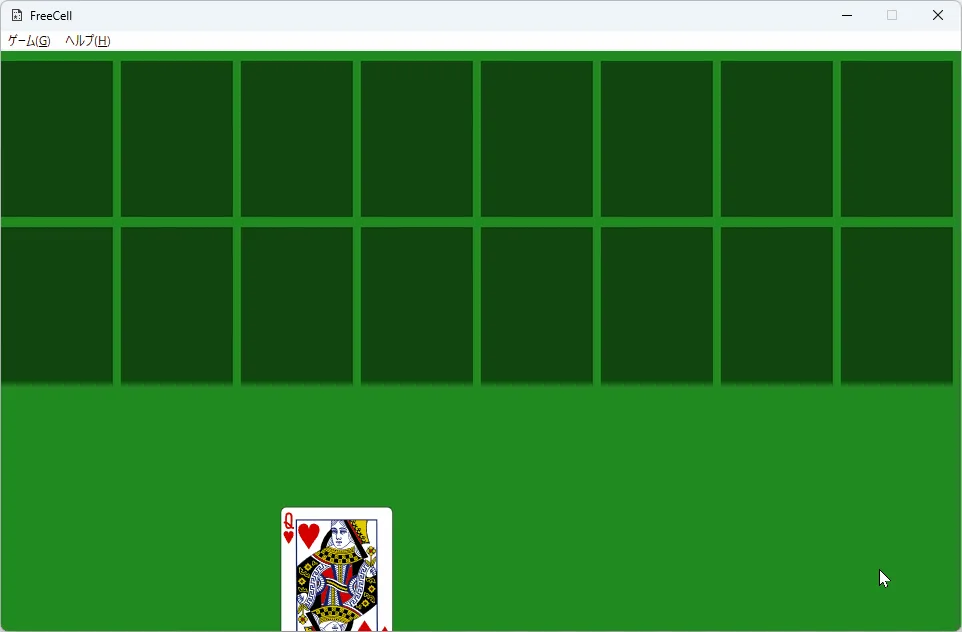
The first hour after a cascade client install is for proof, not decoration. Launch the client.exe, finish one short run, and write down the folder path. That boring sequence catches broken downloads before you call the desk ready.
Eight first-hour checks
- Confirm the window opens Launch the portable exe and confirm the freecell window appears on Windows before you change anything else.
- Play one short run Use mouse moves with an English layout, move one card, and confirm free cells behave as documented.
- Note the folder path Write the folder that holds the portable exe on the machine ticket beside the OS version.
- Bookmark the current release tag Save the GitHub Releases the current release tag URL so the next freecell update uses the same door.
- Copy for a second desk Copy the portable exe only after one local deal works; otherwise remove unused downloads.
- Keep a browser fallback Leave Windows Freecell bookmarked if policy needs a no-install option, without replacing the desktop path.
- Skip mystery mirrors Refuse portal zips that claim to fix SmartScreen by wrapping a different freecell binary.
- Schedule a re-check After imaging or travel, re-open the exe once to prove the portable still launches.
mouse and menus matters because upstream documents controls that way. If arrows do nothing, check layout before you redownload the client binary. Avoid resizing the window mid-run so the renderer stays stable per the README.
SmartScreen may appear once. Confirm the file still came from ferrellsl/the client Releases. Then continue. Do not accept a helper installer from a blog that promises to silence warnings for this client.
Keep the Releases door obvious
- Prefer the portable exe on Freecell_1.0
- Skip survey portals that rename the setup
- Prove one local the client run
Folder and ticket discipline
Portable apps vanish when Downloads is emptied. Move the portable exe into a games folder you intend to keep, then record that path. Lab images should bake the same path into their checklist so every reimage restores the client the same way.
Related guides: first run, controls, update uninstall, download safe, and the pillar at home.
What success looks like
Success is a local window, a known folder, and a bookmark back to the current release tag. Success is not three competing exes and a browser tab fighting for attention. Keep the inbox board if you need it, yet name Freecell as the desktop freecell for this machine.
If the first run fails, delete the file, fetch again from Releases, and retest. Partial downloads and renamed mirrors cause most early failures. Cascade Quill documents the install map; upstream Freecell remains MIT at the GitHub project.
Write the habit down
Put the current release tag URL and the folder path on the machine ticket beside the Windows version so the next client update stays boring.
Desk teams that share a single play habit should write the current release tag URL into the onboarding doc beside the Windows version. That one line prevents three people from fetching three different mirrors during the same lunch break.
When a download fails mid-flight, delete the partial file and start again from GitHub Releases. Partial copies are a common source of tickets that claim the window never opens for this client.
Offline clubs can keep a verified USB copy only after the size matches the live Releases list on the day of imaging. Re-check before each semester because the the current release tag tag can receive new assets without a new semver name.
Checkpoint 1: keep the portable exe on the the current release tag tag, prove one freecell run, and write the folder path on the ticket.
Parents sometimes want a short entertainment option without opening a browser full of ads. A local named exe answers that request when the folder is obvious and the bookmark back to Releases stays in the same note.
Support volunteers should ask which filename you downloaded and which URL showed in the address bar. Those answers separate a correct client install from a random portal package.
Travel days should include a quick launch test after sleep or docking changes. Some USB antivirus tools quarantine tiny unknowns; restore from Releases rather than from email attachments labeled as a cascade client.
When you finish the hour, you should be able to tell a teammate the filename, the folder, and the Releases URL without opening search. That recall is the real install artifact for this client path.
Checkpoint 2: keep the portable exe on the the current release tag tag, prove one freecell run, and write the folder path on the ticket.
Practical checkpoints
Before you call the desk ready, confirm the Releases URL, the exact filename, and one successful local freecell run. Those three checks catch most bad downloads without a long troubleshooting thread.
- URL starts with github.com/the GitHub project
- File is the portable exe or the portable exe
- Window opens and arrows move the client
Sharing the path with others
When you send install help to a friend, paste the current release tag Releases link rather than a search phrase. Search phrases attract portals. Named Releases assets keep the client story boring and recoverable after a wipe.
Clubs can print a one-page card with the filename and the folder path. Teachers can add the same card to the LMS. Travel kits can store a second verified copy only after size matches the live release list.