Freecell for this computer
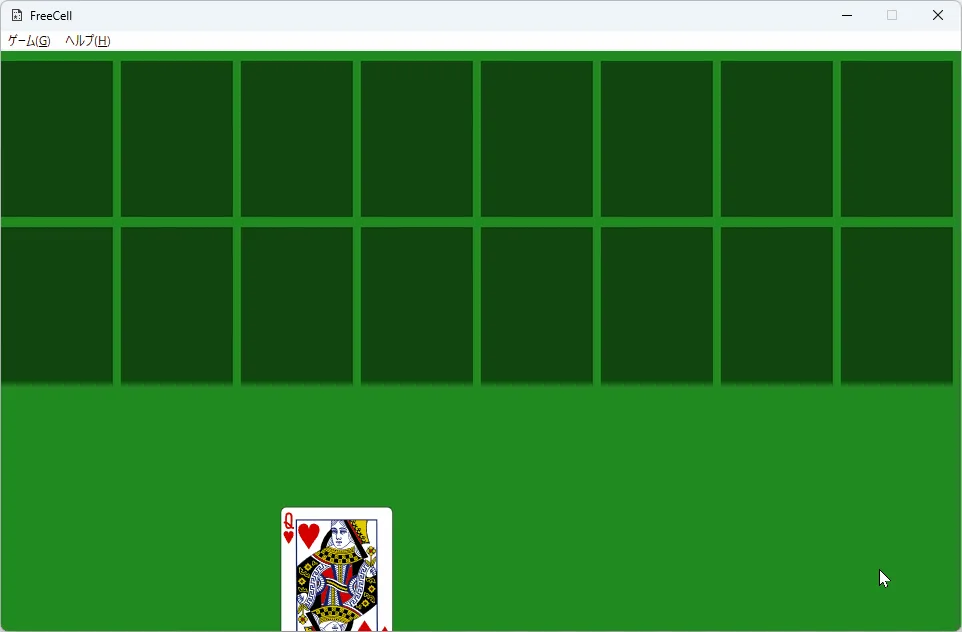
For most modern Windows PCs, the client file you want is FreeCell.exe from the Freecell_1.0 tag. That portable matches Windows sessions that dominate current desks. Use the portable exe only when you know the machine is extra copy.
Check architecture in Settings → System → About, or run echo %PROCESSOR_ARCHITECTURE% in Command Prompt. On a normal Windows PC, prefer the portable exe from the current release tag for this client path. No separate architecture assets shipped on the reviewed tag.
macOS and Linux assets were not present on the reviewed the current release tag tag. If this computer is not Windows, keep a browser cascade tabs tab or another OSS client that actually ships your OS. Do not invent a brew cask that was not found.
Keep the Releases door obvious
- Prefer the portable exe on the current release tag
- Skip survey portals that rename the setup
- Prove one local freecell run
After you pick the file, save it somewhere durable, launch once, and confirm mouse moves work with an English layout. Wrap-around borders and ten-point cards are the expected feel per upstream README for this client.
Locked-down school images may block unknown exes. In that case, request an allow-list entry for the GitHub Releases hash or keep browser play until IT finishes review. Do not bypass policy with random portals.
Related: portable folder, Windows install, first hour, home.
- Windows → the portable exe
- extra copy Windows → the portable exe
- Non-Windows → no the current release tag asset; soft parks stay parked
- Always prove one local run
Write the choice on a sticky note beside the machine name. Future you will thank present you when a reimage asks which game binary belonged on that desk.
Write the habit down
Put the current release tag URL and the folder path on the machine ticket beside the Windows version so the next client update stays boring.
If both exes somehow land in Downloads, delete the unused one after the proof run so the folder stays obvious.
Desk teams that share a single play habit should write the current release tag URL into the onboarding doc beside the Windows version. That one line prevents three people from fetching three different mirrors during the same lunch break. Prefer the portable exe unless a machine is known to be extra copy.
When a download fails mid-flight, delete the partial file and start again from GitHub Releases. Partial copies are a common source of “the window never opens” tickets that waste an afternoon. A clean fetch of the portable game binary is faster than debugging a truncated exe.
Checkpoint 1: keep the portable exe on the the current release tag tag, prove one freecell run, and write the folder path on the ticket.
Offline clubs can keep a verified USB copy only after the hash or size matches the live Releases list on the day of imaging. Re-check before each semester because the the current release tag tag can receive new assets without a new semver name. Say “current the current release tag release” rather than inventing a dotted version in paperwork.
Parents sometimes want a short entertainment option without opening a browser full of ads. A local named exe answers that request when the folder is obvious and the bookmark back to Releases stays in the same note. Keep the inbox board available if network policy already allows it as a soft fallback.
Support volunteers should ask two questions first: which filename did you download, and which URL showed in the address bar. Those answers separate a correct client install from a random portal package that only ranks for the head term freecell.
If IT requires signed installers, escalate early. Freecell ships tiny portables; signing status can change and was not treated as guaranteed here. Document the risk acceptance on the ticket instead of quietly swapping in an unrelated store app while still calling it the same install path.
Checkpoint 2: keep the portable exe on the the current release tag tag, prove one freecell run, and write the folder path on the ticket.
Operators who script lab setup should pin the Releases URL in comments next to the copy step for the portable exe. Scripts that scrape random search results will eventually fetch the wrong freecell and waste a whole imaging day.
Accessibility needs vary. Freecell is a small classic-style client; if a student needs larger visuals, keep a browser board with zoom as an accommodation while still documenting the desktop path for peers who can use it.
Language packs on Windows can leave a non-English keyboard active. Switch to English layout before the first freecell run so arrow controls match upstream expectations, then switch back if needed for other schoolwork.
Practical checkpoints
Before you call the desk ready, confirm the Releases URL, the exact filename, and one successful local freecell run. Those three checks catch most bad downloads without a long troubleshooting thread.
- URL starts with github.com/ferrellsl/Freecell
- File is the portable exe or the portable exe
- Window opens and arrows move the client
Sharing the path with others
When you send install help to a friend, paste the current release tag Releases link rather than a search phrase. Search phrases attract portals. Named Releases assets keep the client story boring and recoverable after a wipe.
Clubs can print a one-page card with the filename and the folder path. Teachers can add the same card to the LMS. Travel kits can store a second verified copy only after size matches the live release list.